






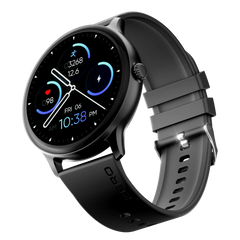
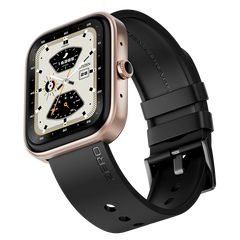

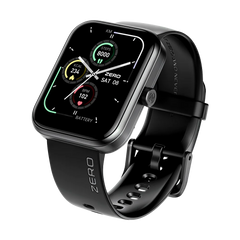

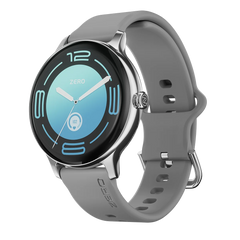

Choosing a smartwatch today is no longer just about fitness tracking or notifications. Display quality plays a major role in how enjoyable and practical the device feels in daily use. In Pakistan, where users care about value for money and long term performance, the debate between AMOLED and LCD displays has become more relevant than ever.
If you have ever stood in a shop comparing two watches and wondered why one screen looks sharper and more vibrant than the other, this guide is for you. Let us break down the real differences between AMOLED and LCD displays in smartwatches, based on practical use and industry experience.
Why Display Technology Matters in Smartwatches
A smartwatch screen is the part you interact with most. You check time, messages, health stats, and even control music through it. A good display makes these tasks easier and more pleasant, especially under bright sunlight or during long workdays.
From my experience reviewing and using different models over the years, users usually notice three things first.
-
Brightness in outdoor use
-
Clarity of text and icons
-
Battery impact
These three areas are where AMOLED and LCD displays differ the most.
What Is an AMOLED Display
AMOLED stands for Active Matrix Organic Light Emitting Diode. In simple words, each pixel in an AMOLED screen lights up on its own. There is no need for a separate backlight.
Key Features of AMOLED Displays
-
Deep blacks because pixels turn off completely
-
Rich and vibrant colors
-
Better contrast for reading notifications
-
Usually thinner display panels
You will often see AMOLED screens in premium smartwatches from brands like Samsung, Apple, and Huawei.
What Is an LCD Display
LCD stands for Liquid Crystal Display. These screens use a backlight that shines through the pixels to create images.
Key Features of LCD Displays
-
Consistent brightness across the screen
-
Generally more affordable
-
Reliable performance in different lighting conditions
-
Slightly thicker screen design
Many entry level and mid range smartwatches use LCD displays to keep costs lower while still delivering decent quality.
AMOLED vs LCD in Real World Use
Let us look at how these two technologies perform in daily smartwatch usage.
1. Screen Quality and Visual Experience
AMOLED displays clearly win when it comes to visual appeal. Colors look more lively and blacks appear truly black, not dark grey. This makes watch faces look more stylish and notifications easier to read.
LCD displays, on the other hand, offer good clarity but lack the same depth in contrast. For users who mainly check time and basic notifications, this difference may not matter much.
2. Outdoor Visibility
In bright sunlight, AMOLED screens perform very well because of their high contrast. Text remains visible even when the brightness is turned down.
LCD screens rely on strong backlighting. Some models perform well outdoors, but cheaper LCD panels may struggle under direct sunlight.
3. Battery Life Impact
This is where things get interesting.
AMOLED displays save power when showing dark themes or black backgrounds because those pixels stay off. That is why many smartwatches use dark mode by default.
LCD displays use constant backlighting, so they consume the same power regardless of what is on the screen. This can slightly reduce battery life, especially in always on display mode.
From my observation, users who care about battery performance usually prefer AMOLED if their budget allows.
Durability and Long Term Use
Burn In Concerns With AMOLED
One common worry about AMOLED screens is burn in. This happens when static images, like a watch face, stay on the screen for too long and leave a faint mark.
In modern smartwatches, this issue is much less common thanks to improved screen technology and software features like shifting pixels. Still, it is something to keep in mind for heavy always on display users.
LCD Longevity
LCD displays do not suffer from burn in. They usually maintain consistent quality over time. However, their backlight can weaken after years of use, which may reduce brightness slightly.
In real life use, both display types last well if you take normal care of your device.
Cost Differences in Pakistan
Display technology has a direct impact on price. AMOLED screens cost more to manufacture, which is why watches with AMOLED displays are often placed in higher price brackets.
If you are comparing models based on smart watch price in pakistan, you will notice that AMOLED based smartwatches usually start at a higher range than LCD ones. This does not mean LCD watches are bad, it simply reflects the cost of screen technology.
For budget conscious buyers, a good quality LCD smartwatch still delivers solid value.
AMOLED vs LCD Comparison Table
|
Feature |
AMOLED Display |
LCD Display |
|
Visual Quality |
High contrast, vibrant colors |
Good clarity, softer colors |
|
Battery Efficiency |
More efficient with dark themes |
Consistent power usage |
|
Outdoor Visibility |
Excellent in sunlight |
Depends on backlight strength |
|
Thickness |
Thinner screens |
Slightly thicker |
|
Cost |
Higher |
More affordable |
|
Burn In Risk |
Low but possible |
None |
Which Display Is Better for You
There is no one size fits all answer. The right choice depends on how you use your smartwatch.
Choose AMOLED If
-
You care about premium look and feel
-
You often use your watch outdoors
-
You want better battery efficiency with dark mode
-
You enjoy stylish watch faces
Choose LCD If
-
You want a more affordable smartwatch
-
You mainly use basic features
-
You prefer long term screen stability
-
You do not mind simpler visuals
In my experience, users who upgrade from LCD to AMOLED rarely go back. However, first time buyers often start with LCD and remain perfectly satisfied.
Common Myths About AMOLED and LCD Displays
Myth 1. AMOLED Always Drains More Battery
Reality. AMOLED can actually save battery, especially with dark themes.
Myth 2. LCD Screens Are Outdated
Reality. LCD technology continues to improve and remains reliable for everyday use.
Myth 3. AMOLED Is Only for Expensive Watches
Reality. Many mid range smartwatches now offer AMOLED displays at more accessible prices.
What Industry Brands Are Doing
Major brands like Apple, Zero Lifestyle, Samsung, and Xiaomi invest heavily in display research. According to insights shared in product briefings and technology blogs from these companies, display efficiency and eye comfort are now top priorities.
Google Wear OS guidelines also encourage manufacturers to optimize dark themes and adaptive brightness, which further supports AMOLED efficiency in modern smartwatches.
These industry trends show that both display types still have a future, but AMOLED is becoming the standard in mid to high range models.
Final Thoughts
The choice between AMOLED and LCD displays in smartwatches comes down to your priorities. If you value rich visuals, better contrast, and modern design, AMOLED is a strong option. If you want reliable performance at a lower cost, LCD remains a smart and practical choice.
Both technologies have evolved a lot over the years. Today, even budget smartwatches offer screens that were considered premium not long ago. The key is to match the display type with your daily needs, lifestyle, and budget.
A smartwatch should feel comfortable to use, easy to read, and worth the money you spend. Once those basics are covered, the right display choice becomes clear.