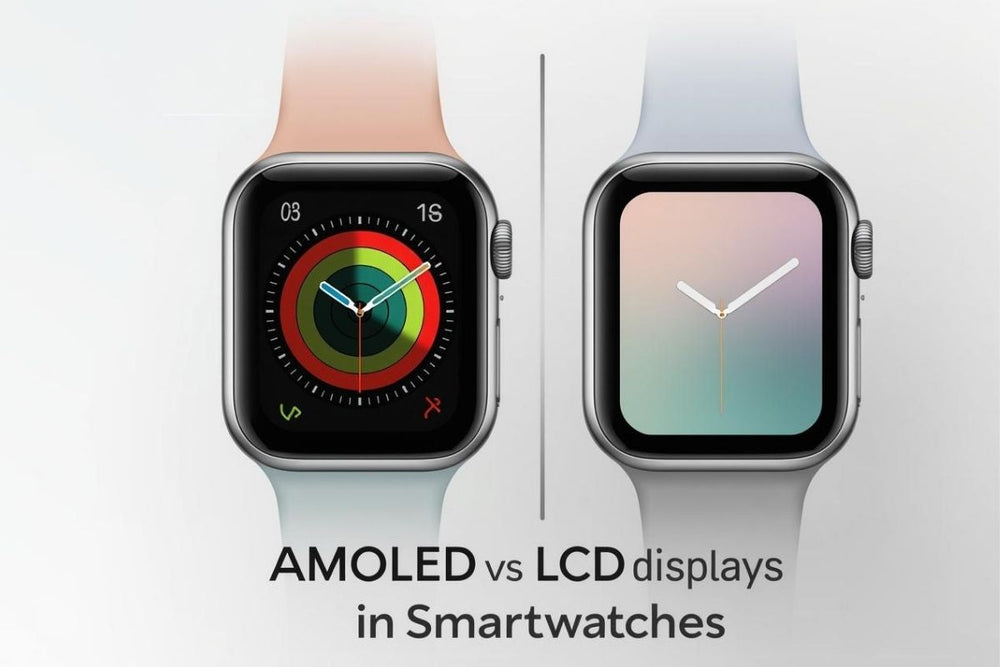



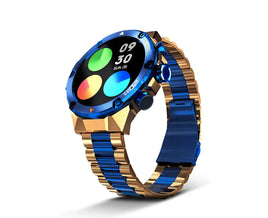



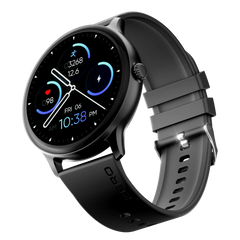
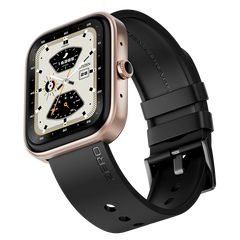
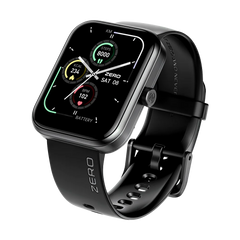
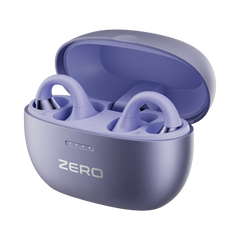
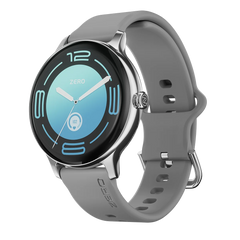

Smartwatches are no longer just tech accessories. They have quietly become part of how people manage their time, health, and daily responsibilities. From waking up in the morning to winding down at night, a smartwatch fits into the flow of modern life without demanding constant attention.
Rather than replacing smartphones, smartwatches act as a supporting tool helping you stay aware, organized, and active throughout the day.
Morning: A Calm and Organized Start
For many people, the day begins with an alarm. A smartwatch makes this moment less disruptive. Silent vibration alarms wake you up gently, which is especially useful if you share a room or prefer a calmer start.
Once awake, a quick glance at the watch can show:
-
Weather conditions for the day
-
Upcoming calendar events
-
Sleep duration and basic recovery insights
This allows you to plan your morning without immediately reaching for your phone, reducing early-day screen overload and helping you start the day with clarity.
During Work Hours: Staying Connected Without Distraction
Smartwatches help manage communication in a more controlled way. Instead of constantly checking your phone, you can view important notifications directly on your wrist.
This is especially useful during:
-
Meetings
-
Focused work sessions
-
Travel or commuting
You stay informed without being pulled into apps or social media. Time reminders, alerts, and subtle nudges also support better task management and punctuality throughout the workday.
Movement and Physical Activity Throughout the Day
Modern routines often involve long hours of sitting. Smartwatches encourage movement in a subtle, non-intrusive way by tracking steps and reminding you to move periodically.
Whether it’s:
-
A short walk
-
A gym session
-
Home workouts
-
Casual daily activity
The watch records movement automatically. This passive tracking builds long-term awareness and encourages consistency without forcing a strict fitness routine. The focus remains on staying active within everyday life.
Health Awareness Without Obsession
One of the most valuable roles of smartwatches is health awareness. Throughout the day, they track basic metrics such as:
-
Heart rate
-
Activity levels
-
Stress indicators (based on heart rate patterns)
These insights are not meant for diagnosis but for understanding trends. Over time, users begin noticing how sleep, stress, and activity affect their overall well-being.
Simple breathing reminders or relaxation prompts during stressful moments help maintain balance during busy days.
Daily Convenience in Small Moments
Smartwatches add convenience to small moments that often go unnoticed:
-
Controlling music while commuting
-
Checking directions quickly
-
Managing calls when hands are busy
These small interactions reduce friction. You spend less time pulling out your phone and more time staying present in what you’re doing. Over time, these micro-conveniences create a smoother daily experience.
Evening: Slowing Down and Creating Balance
In the evening, smartwatches help shift focus from productivity to relaxation. Gentle reminders for hydration, light movement, or winding down support healthier routines.
Many users rely on their smartwatch to:
-
Reduce phone usage before bed
-
Track evening activity
-
Maintain consistent sleep schedules
By keeping interactions minimal, the smartwatch supports digital balance rather than increasing screen time.
Sleep and Recovery: Closing the Day Mindfully
As the day ends, smartwatches quietly shift attention toward rest and recovery. Instead of pushing notifications, they encourage healthier sleep habits.
A smartwatch can help by:
-
Promoting consistent sleep and wake times
-
Tracking sleep duration and basic sleep patterns
-
Highlighting irregular rest trends over time
This information builds awareness, not pressure. Night modes and do-not-disturb settings further reduce interruptions, helping the mind and body settle naturally.
Building Better Habits Over Time
The real value of a smartwatch lies in consistency. Small actions tracked quietly in the background gradually turn into habits.
Over weeks and months, users often notice:
-
Improved time awareness
-
Better movement consistency
-
More mindful technology use
The smartwatch supports routines subtly, becoming part of daily life rather than something you actively manage.
A Tool That Adapts to Your Lifestyle
Every routine is different. Some people use smartwatches for work efficiency, others for fitness, and many for overall balance. The strength of a smartwatch lies in its adaptability.
It fits naturally into:
-
Professional schedules
-
Active lifestyles
-
Minimalist routines
-
Fast-paced urban life
Instead of forcing lifestyle changes, it adjusts to how you already live and quietly improves it.
Final Thoughts: A Quiet Upgrade to Everyday Life
Smartwatches are not about doing more. They are about doing things better with less friction and more awareness.
When used intentionally, a smartwatch becomes:
-
A personal assistant, not a distraction
-
A health companion, not a medical device
-
A lifestyle tool, not a status symbol
In a fast-moving world, smartwatches fit into modern daily routines by helping people stay present, organized, and balanced without demanding constant attention.