







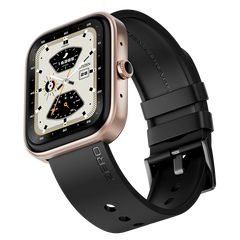

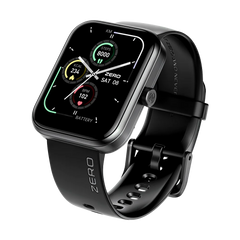

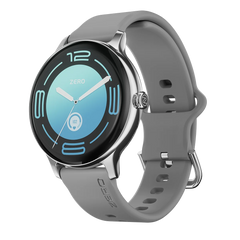

GPS is one of the most discussed features in modern smartwatches. For many buyers in Pakistan, it feels like an essential function. In practice, however, GPS is only truly valuable for certain lifestyles. From observing how people actually use their watches on a daily basis, it becomes clear that GPS is powerful, but not universally necessary.
This guide explains what GPS in smartwatches really does, when it adds genuine value, and when it is simply an extra feature that goes unused.
What GPS in a Smartwatch Really Does
GPS in a smartwatch allows the device to track your location using satellite signals. This enables accurate measurement of routes, distance, speed, and movement without relying completely on your phone.
In simple terms, GPS helps your watch answer:
-
Where you went
-
How far you travelled
-
How fast you were moving
-
Which route you followed
Some watches have built in GPS, while others depend on your smartphone’s GPS connection.
Built In GPS vs Phone Connected GPS
Not all GPS features work the same way, and this difference often causes confusion among buyers.
Built In GPS
Smartwatches with built in GPS can track location independently, even when your phone is not nearby.
Advantages
-
Accurate route tracking without a phone
-
Ideal for outdoor workouts
-
Greater freedom during runs or cycling
Limitations
-
Higher battery consumption
-
Higher overall cost
Phone Connected GPS
These watches use your phone’s GPS through a Bluetooth connection.
Advantages
-
More affordable
-
Better smartwatch battery life
-
Suitable if you always carry your phone
Limitations
-
No tracking without the phone
-
Slightly reduced accuracy in some situations
Many buyers in Pakistan assume GPS always works independently, which is not always the case.
When You Actually Need GPS in a Smartwatch
GPS becomes valuable when your activities rely on distance, route, and pace accuracy.
Outdoor Running and Walking
For people who walk or run outdoors regularly, GPS is extremely useful. It allows accurate tracking of distance and pace, something step based tracking cannot provide reliably.
Cycling and Road Training
Cyclists benefit greatly from GPS as it records routes, speed changes, and performance trends over time. This data helps improve training consistency.
Hiking and Travel
GPS is helpful for those who hike in northern areas of Pakistan or travel frequently. It provides location tracking and route history, although it should not replace professional navigation tools in remote regions.
Phone Free Workouts
Built in GPS allows users to leave their phone behind during workouts. This appeals to runners who prefer a distraction free experience.
When You Probably Do Not Need GPS
In many everyday situations, GPS adds little to no value.
Indoor Workouts
For gym sessions, treadmill walking, weight training, or yoga, GPS data is irrelevant.
Basic Daily Health Tracking
If your goals include step counting, heart rate monitoring, sleep tracking, or notifications, GPS is unnecessary.
Office and Routine Use
Professionals who wear smartwatches mainly for productivity and basic health insights often never use GPS.
Battery Life Impact of GPS
GPS is one of the most battery intensive smartwatch features.
Practical observations show:
-
Continuous GPS usage drains battery quickly
-
Frequent outdoor tracking requires regular charging
-
Non GPS watches last significantly longer
For many users in Pakistan, battery life is more important than advanced tracking features.
GPS Accuracy in Local Conditions
GPS performance depends on surroundings.
In Pakistan:
-
Open parks and roads provide good accuracy
Dense urban areas may reduce signal quality -
Narrow streets and crowded markets affect precision
These limitations apply across brands.
Cost Considerations and Value
Smartwatches with built in GPS usually cost more. Buyers often compare features carefully to decide whether the added cost is justified.
This is where many consumers compare smart watches and evaluate if GPS aligns with their lifestyle rather than simply choosing the highest specification.
GPS and Health Data Insights
GPS improves certain fitness metrics but does not affect all health data.
GPS improves:
-
Distance accuracy
-
Pace calculations
-
Route based performance analysis
GPS does not improve:
-
Heart rate accuracy
-
Sleep monitoring
-
Stress tracking
Understanding this distinction helps set realistic expectations.
Who Should Definitely Choose a GPS Smartwatch
GPS is worth the investment if you:
-
Run or walk outdoors multiple times per week
-
Cycle regularly on roads or trails
-
Train with distance based goals
-
Prefer workouts without carrying a phone
Who Can Skip GPS Without Missing Out
You can skip GPS if you:
-
Exercise mainly indoors
-
Want longer battery life
-
Carry your phone during workouts
-
Focus on general health tracking
In these cases, GPS adds cost without meaningful benefit.
Final Thoughts
GPS in a smartwatch is a powerful feature when it matches your lifestyle. In Pakistan, where daily routines vary widely, practical value matters more than technical specifications.
From real world usage, many people pay extra for GPS and never use it, while others depend on it daily. The key is understanding your own habits.
If you regularly track outdoor activities, GPS is worth the investment. If not, you can save money and enjoy better battery life without sacrificing essential features.