


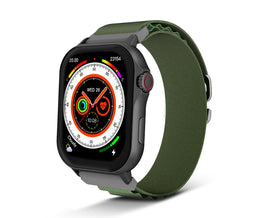
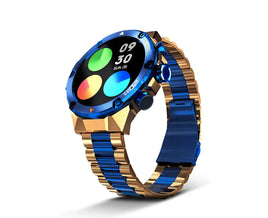





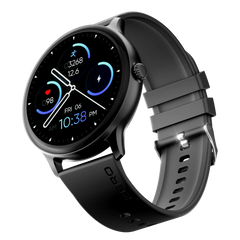

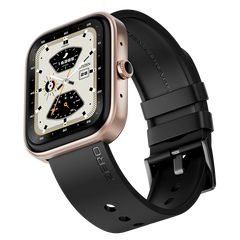

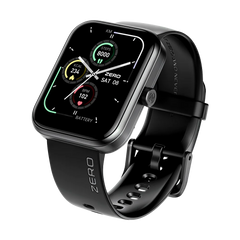

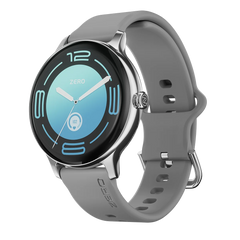

Smartwatches have evolved from simple step counters into versatile devices capable of fitness tracking, notifications, music playback, and even navigation. At the heart of every smartwatch lies its chipset, or System on Chip (SoC), which largely determines how efficiently the device performs. Understanding SoC architecture is crucial for anyone looking to choose a smartwatch that delivers smooth performance, long battery life, and reliable connectivity.
This article explores how smartwatch chipsets influence real-world performance, explains key components of a SoC, and provides practical insights for consumers globally.
What is a Smartwatch SoC?
A System on Chip, or SoC, is essentially the brain of a smartwatch. It combines the central processing unit (CPU), graphics processing unit (GPU), memory controllers, connectivity modules, and power management into a single chip. Unlike smartphones, smartwatches have limited space and battery capacity, making SoC efficiency critical.
Key components of a smartwatch SoC include:
-
CPU: Handles general processing tasks. A faster CPU ensures smooth app performance and quick response times.
-
GPU: Manages graphics rendering, important for watch faces, animations, and interface transitions.
-
Memory Controller: Optimizes RAM usage, allowing multitasking without lag.
-
Connectivity Modules: Handles Bluetooth, Wi-Fi, GPS, and LTE efficiently.
-
Power Management Unit: Balances energy consumption to extend battery life.
A well-optimized SoC ensures a smartwatch can handle multiple tasks simultaneously without slowing down or draining the battery too quickly.
How Chipsets Influence Smartwatch Performance
The chipset affects every aspect of a smartwatch, from app responsiveness to sensor accuracy. Here are the main areas impacted:
1. App Responsiveness and Multitasking
The CPU core count and architecture determine how fast apps launch and run. High-end chipsets with multiple cores can handle fitness tracking, notifications, music streaming, and navigation simultaneously. Budget SoCs often struggle with heavy multitasking, which can result in noticeable lag.
Industry Insight: Mid-range chipsets from Qualcomm and MediaTek often provide the best balance between performance and cost. They offer reliable day-to-day use without overheating or excessive battery drain.
2. Battery Efficiency
The SoC’s energy management is crucial for battery life. Chipsets built on smaller manufacturing processes, such as 7nm or 5nm, are more energy-efficient. This allows longer usage between charges, especially when using GPS tracking or always-on displays.
Practical Observation: A smartwatch with an older, less efficient chipset may drain 40% of its battery with continuous GPS usage. Modern optimized SoCs consume much less power while delivering the same functionality.
3. Display and Graphics Performance
The GPU determines how smoothly animations and watch faces run. High-resolution AMOLED displays require capable graphics processors to prevent stuttering. Poorly optimized SoCs may struggle with interface transitions, making even simple tasks feel slow.
4. Connectivity and Sensors
Smartwatches rely on multiple sensors for accurate health tracking and navigation. SoCs integrate Bluetooth, Wi-Fi, and GPS modules efficiently, affecting how quickly the watch syncs with smartphones or locks onto satellite signals.
Real-World Example: Watches with integrated GPS modules in the SoC lock onto signals faster and provide more accurate location tracking, which is especially useful during outdoor activities like running or cycling.
SoC Architecture and Software Updates
The SoC also determines how well a smartwatch handles software updates. Advanced chipsets with more RAM and processing power can run new firmware smoothly, extending the device’s lifespan. Budget SoCs may struggle with updates, leading to slower performance over time.
Tip: Check the manufacturer’s track record for updates. Watches with well-supported chipsets typically receive software updates for two to three years, maintaining security and performance improvements.
Practical Buying Tips for Smartwatches
-
Identify Your Usage: Fitness tracking, music, notifications, or advanced apps all require different processing power.
-
Check Battery Life: Look at how the SoC and display type affect battery longevity. User reviews provide realistic insight.
-
Consider Platform Compatibility: iOS users may benefit from Apple chipsets, while Android users may prefer Snapdragon or MediaTek SoCs.
-
Balance Budget and Performance: Mid-range chipsets often provide satisfactory performance without the premium price tag.
-
Brand Reliability: Established brands with optimized SoCs and timely software updates are safer long-term investments.
Future Trends in Smartwatch Chipsets
-
Energy-efficient Architectures: Chips built on 3nm or smaller processes promise longer battery life and higher performance.
-
AI Integration: On-device AI for health tracking, predictive notifications, and personalized suggestions.
-
Enhanced Sensor Support: Advanced SoCs will handle more sensors while maintaining low energy consumption.
Professional Insight: Future chipsets will make smartwatches feel faster, smarter, and more intuitive, without increasing device size or weight.
Final Thoughts
Smartwatch chipsets play a critical role in determining performance, battery life, display smoothness, and connectivity. Understanding SoC architecture helps buyers make informed decisions, ensuring they choose a watch that performs reliably and meets their needs. Researching SoCs, reading real-world reviews, and considering long-term software support ensures users enjoy a responsive and efficient smartwatch for years to come.