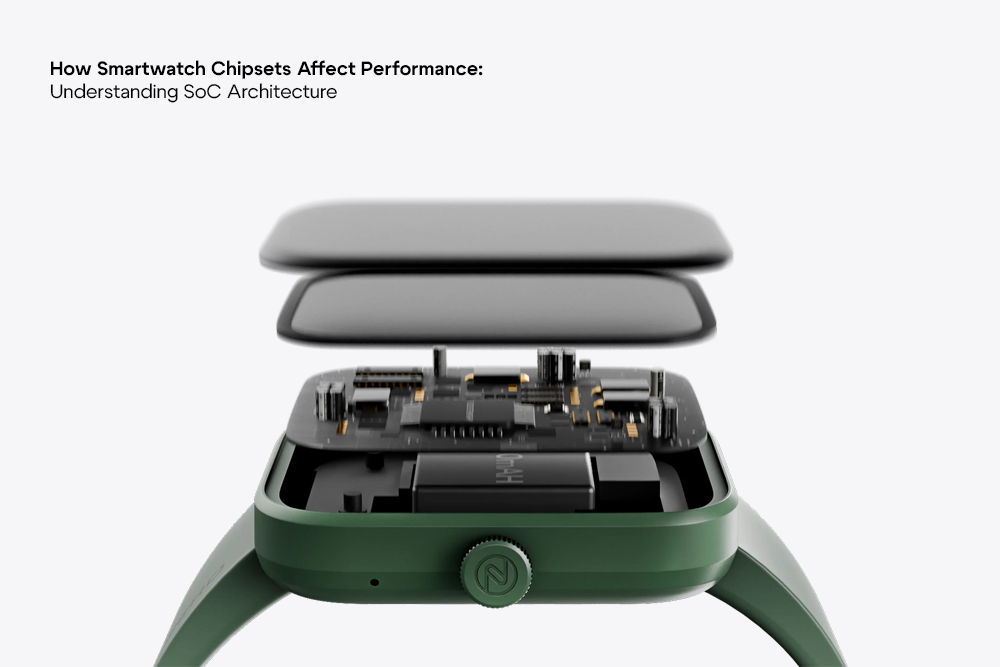



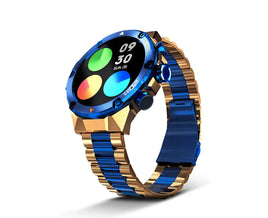


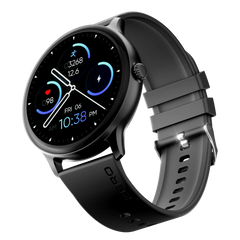
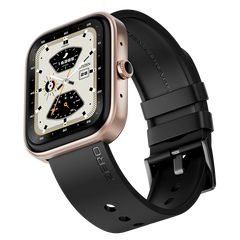

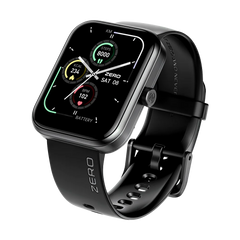
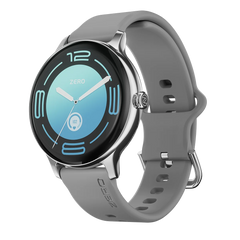

Smartwatch displays are a critical factor in the user experience. The choice of display technology affects not only visual quality and battery efficiency but also durability and long-term reliability. Among the most common display types in smartwatches today are AMOLED, LCD, and the emerging MicroLED technology. Understanding their differences can help you choose a smartwatch that lasts longer while delivering a smooth and vibrant viewing experience.
In this article, we break down each display technology, explain how they work, compare their longevity, and provide practical insights for anyone considering a smartwatch purchase.
Understanding Smartwatch Display Technologies
A smartwatch display is more than just a screen; it is the interface for interaction, notifications, and health monitoring. Each display technology has its own strengths and weaknesses. Let’s explore them individually.
1. AMOLED Displays
AMOLED stands for Active Matrix Organic Light Emitting Diode. It is widely used in modern smartwatches, especially in high-end models.
How AMOLED Works
AMOLED displays use organic compounds that emit light when electricity passes through them. Each pixel generates its own light, which eliminates the need for a backlight. This gives AMOLED displays the following advantages:
-
True blacks, because individual pixels can turn off completely
-
High contrast ratios and vibrant colors
-
Energy efficiency when displaying dark interfaces
Longevity and Durability
The lifespan of AMOLED displays depends largely on the organic materials used. Over time, these materials can degrade, leading to burn-in or color fading. Burn-in occurs when static elements, like watch faces or icons, remain on-screen for extended periods, leaving a permanent ghost image.
Typical lifespan: Around 3–5 years for most consumer smartwatches under regular use. Advanced AMOLED panels with better materials and pixel-shifting software can extend this to 6–7 years.
Real-World Observations
-
Best for users who prefer vibrant, colorful watch faces
-
Works efficiently with always-on display modes using dark themes
-
Requires careful management to prevent burn-in, such as changing watch faces periodically
2. LCD Displays
LCD, or Liquid Crystal Display, has been a staple in wearable technology for years, especially in budget and mid-range smartwatches.
How LCD Works
LCDs rely on a backlight to illuminate pixels. Liquid crystals act as shutters to block or allow light through colored filters, producing the image on the screen.
Key characteristics include:
-
Consistent brightness without the risk of burn-in
-
Lower contrast compared to AMOLED
-
Better visibility in direct sunlight for some panels (IPS LCDs)
Longevity and Durability
LCD panels generally last longer than AMOLED because they do not rely on organic compounds. There is no burn-in risk, and color degradation happens much more slowly.
Typical lifespan: 5–7 years or more under normal use. The backlight may dim slightly over time, but overall, LCDs are highly durable.
Real-World Observations
-
Ideal for users who prioritize longevity over deep contrast
-
Less energy-efficient compared to AMOLED, especially with dark watch faces
-
Often found in fitness-focused smartwatches with simpler, monochromatic interfaces
3. MicroLED Displays
MicroLED is an emerging display technology that combines the advantages of both AMOLED and LCD. It uses tiny inorganic LEDs for each pixel, eliminating the need for a backlight while maintaining longevity.
How MicroLED Works
MicroLED panels are made of microscopic LEDs that emit light individually. This provides:
-
True blacks like AMOLED
-
High brightness and energy efficiency
-
Superior durability compared to organic-based displays
Longevity and Durability
Unlike AMOLED, MicroLED does not use organic materials, which means it is resistant to burn-in. The LEDs have a longer lifespan, making the display more stable over time.
Typical lifespan: 10+ years, depending on usage and brightness levels. Early consumer products are still limited, but prototypes show significant improvements in longevity compared to AMOLED and LCD.
Real-World Observations
-
Ideal for users seeking a long-lasting, high-performance display
-
Perfect for always-on displays without worrying about burn-in
-
Currently limited in availability and higher in cost
Factors Affecting Display Longevity
While the type of display is important, other factors also influence how long your smartwatch display lasts:
-
Usage Patterns: Always-on displays, static watch faces, and high brightness levels can accelerate wear, especially on AMOLED panels.
-
Environmental Conditions: Exposure to direct sunlight, humidity, or extreme temperatures can affect display materials.
-
Software Optimization: Features like pixel shifting or brightness adaptation help extend the life of AMOLED and MicroLED screens.
-
Build Quality: Higher-quality protective glass, coatings, and panel integration can improve longevity across all display types.
Practical Tips to Maximize Display Lifespan
-
Avoid Static Watch Faces: Switch between different watch faces to prevent burn-in on AMOLED devices.
-
Lower Brightness When Possible: Reducing brightness extends both AMOLED and MicroLED lifespans.
-
Use Sleep or Ambient Modes: Limit always-on display usage during periods when full visibility is not needed.
-
Protective Glass: Gorilla Glass or sapphire coatings reduce physical wear and scratches.
-
Software Updates: Keep your smartwatch firmware updated to benefit from optimizations that improve display longevity.
Which Display Technology Lasts Longest?
Based on technical factors and real-world observations:
-
MicroLED – Offers the best combination of brightness, color accuracy, energy efficiency, and longevity. No burn-in risk, expected lifespan over 10 years.
-
LCD – Highly durable, no burn-in risk, lifespan 5–7 years, though color vibrancy and contrast are moderate.
-
AMOLED – Excellent for color and contrast, energy-efficient for dark themes, but organic materials make it prone to burn-in and color fading over 3–5 years.
Conclusion: If longevity is your primary concern, MicroLED is the future-proof choice. For cost-effective and durable options, LCD performs reliably. AMOLED strikes a balance for users who prioritize vibrant visuals and energy efficiency but need to manage usage patterns to prevent burn-in.
Final Thoughts
Choosing the right smartwatch display technology depends on what matters most to you: color vibrancy, battery efficiency, or long-term durability. AMOLED delivers stunning visuals and energy efficiency but has a shorter lifespan due to potential burn-in. LCD is extremely reliable and long-lasting but lacks deep contrast. MicroLED combines the best of both worlds, offering long-term durability, excellent color, and energy efficiency, though availability is limited and prices are higher.
Understanding these differences helps consumers make informed choices, ensuring that their smartwatch not only looks great but also performs reliably for years to come. As display technology advances, MicroLED could become the standard for long-lasting, high-performance smartwatch screens.