















Choosing the right earbuds is not just about design or brand. The real difference in sound quality comes from the driver technology inside. Earbud drivers are the components that convert electrical signals into sound waves, and the type of driver used determines clarity, bass response, detail, and durability.
Today, three main driver technologies dominate the earbud market: Dynamic, Balanced Armature, and Planar Magnetic. Each has unique engineering principles, strengths, and ideal use cases. Understanding how they work helps you choose earbuds that match your listening preferences and performance expectations.
What Is an Earbud Driver?
An earbud driver is essentially a miniature speaker. It vibrates to create sound waves that your ears interpret as music or audio. The design and materials used in the driver affect:
-
Frequency response
-
Soundstage
-
Detail and clarity
-
Bass performance
-
Efficiency and power consumption
Driver technology is one of the most important factors influencing audio quality. Even expensive earbuds can sound average if the driver design is poorly engineered.
Dynamic Drivers
Dynamic drivers are the most common type found in earbuds. They are widely used because of their simple design, strong bass response, and cost efficiency.
How Dynamic Drivers Work
A dynamic driver uses a diaphragm attached to a voice coil. When an electrical signal passes through the coil, it interacts with a magnet, causing the diaphragm to vibrate and produce sound.
This design is similar to traditional loudspeakers, just miniaturized for portable audio devices.
Sound Characteristics
Dynamic drivers are known for:
-
Strong bass impact
-
Natural sound reproduction
-
Wide frequency range
-
Warm tonal balance
They often produce a fuller sound compared to other driver types, which is why they are popular among casual listeners.
Advantages
-
Affordable to manufacture
-
Durable and reliable
-
Good low-frequency performance
-
Efficient power usage
Limitations
-
Slightly less detailed than other driver types
-
Can distort at very high volumes if poorly tuned
Real-World Insight
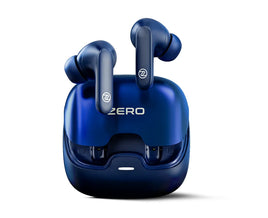
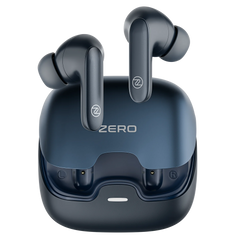
Many mainstream earbuds from brands like Zero Lifestyle rely on dynamic drivers because they provide a balanced sound profile suitable for most genres. For everyday listening, dynamic drivers offer the best mix of performance and value.
Balanced Armature Drivers
Balanced armature drivers are commonly used in professional in-ear monitors and premium earbuds. They were originally designed for hearing aids because of their efficiency and compact size.
How Balanced Armature Drivers Work
Instead of a moving coil and diaphragm system, balanced armature drivers use a tiny armature suspended between magnets. When current flows through the coil, the armature moves and drives a diaphragm that produces sound.
The mechanism is extremely precise and responds quickly to audio signals.
Sound Characteristics
Balanced armature drivers are known for:
-
Exceptional detail and clarity
-
Accurate midrange and treble
-
Fast transient response
-
Precise instrument separation
They excel at reproducing subtle details that dynamic drivers may miss.
Advantages
-
Highly detailed audio reproduction
-
Efficient and power-saving
-
Compact design allows multiple drivers in one earbud
-
Ideal for critical listening
Limitations
-
Weaker bass compared to dynamic drivers
-
Higher manufacturing cost
-
More sensitive to tuning and engineering
Professional Perspective
Audiophiles and musicians often prefer balanced armature earbuds for monitoring because they deliver precise sound reproduction. Companies like Sennheiser use balanced armature technology in high-end models designed for studio accuracy.
Planar Magnetic Drivers
Planar magnetic drivers are less common in earbuds but are gaining popularity due to their high fidelity and technical performance. Traditionally used in over-ear headphones, recent engineering advances have allowed manufacturers to miniaturize them for in-ear designs.
How Planar Magnetic Drivers Work
Planar magnetic drivers use an ultra-thin diaphragm embedded with conductive traces. This diaphragm sits between arrays of magnets. When current passes through the traces, the entire diaphragm moves evenly, producing sound.
Unlike dynamic drivers, which move from a single point, planar magnetic drivers vibrate across the entire surface.
Sound Characteristics
Planar magnetic drivers offer:
-
Extremely accurate sound reproduction
-
Low distortion levels
-
Wide soundstage
-
Excellent detail across all frequencies
Because the diaphragm moves uniformly, the sound is highly controlled and consistent.
Advantages
-
Superior clarity and accuracy
-
Minimal distortion even at high volumes
-
Balanced frequency response
-
Exceptional imaging
Limitations
-
Higher cost
-
More complex design
-
Requires more power than other driver types
Industry Observation
Planar magnetic earbuds are often targeted at audiophiles who prioritize accuracy over portability. Some newer models supported by advanced chipsets and efficient amplification systems are beginning to make them more practical for everyday use.
Hybrid Driver Earbuds
Many modern earbuds combine multiple driver types to deliver the best of each technology. Hybrid designs often pair:
-
Dynamic driver for bass
-
Balanced armature for mids and highs
Some premium models even combine planar magnetic drivers with dynamic drivers to achieve both accuracy and depth.
This approach allows manufacturers to fine tune sound profiles and target different listening preferences.
Factors That Matter More Than Driver Type
While driver technology is important, it is not the only factor that determines sound quality. Real-world testing shows that tuning and engineering matter just as much.
Key factors include:
-
Acoustic chamber design
-
Digital signal processing
-
Material quality
-
Earbud fit and seal
-
Audio codec support
For example, earbuds tuned properly with a dynamic driver can outperform poorly tuned balanced armature models. Sound quality is always a combination of hardware and acoustic design.
Choosing the Right Driver Type for Your Needs
Different listeners prioritize different aspects of sound. Here is a practical guide:
Choose Dynamic Drivers if you:
-
Enjoy bass-heavy music
-
Want affordable earbuds
-
Listen casually or during workouts
Choose Balanced Armature if you:
-
Prefer clarity and detail
-
Listen to classical or acoustic music
-
Want studio-like accuracy
Choose Planar Magnetic if you:
-
Are an audiophile seeking precision
-
Want minimal distortion
-
Value soundstage and realism
Some users also prefer hybrid models that combine driver technologies for a balanced listening experience.
Future Trends in Earbud Driver Technology
Audio technology continues to evolve rapidly. Manufacturers are experimenting with:
-
Ultra-thin diaphragms for faster response
-
Nanomaterial coatings for improved durability
-
AI-based tuning systems
-
Custom sound calibration
Major brands like Apple, Zero Lifestyle are investing in adaptive audio technologies that automatically adjust sound output based on ear shape and environment. These innovations suggest that driver technology will become even more refined and personalized in the coming years.
Common Misconceptions About Earbud Drivers
Many consumers assume that more drivers always mean better sound. This is not necessarily true.
Myth: More drivers equal better quality
Reality: Tuning and design matter more than quantity.
Myth: Balanced armature is always superior
Reality: It depends on listening preference and tuning.
Myth: Planar magnetic is only for professionals
Reality: New designs are making them accessible for everyday listeners.
Understanding these misconceptions helps buyers focus on real performance factors rather than marketing claims.