






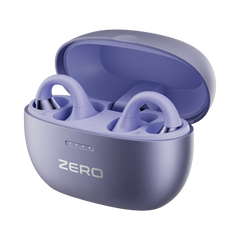

When choosing true wireless earbuds, most buyers focus on battery life, noise cancellation, or design. However, one of the most important factors affecting sound quality is something many people overlook: driver size.
The audio driver inside an earbud is responsible for producing sound. It converts electrical signals into the music you hear. The size and design of this driver can significantly influence bass response, clarity, loudness, and overall listening experience.
Understanding how driver size works can help you choose earbuds that deliver better sound performance for music, calls, and daily listening.
What is a Driver in Earbuds?
A driver is the component that produces sound in headphones or earbuds. It works by vibrating a diaphragm to create sound waves that travel into your ears.
Most true wireless earbuds use dynamic drivers, which consist of:
-
A diaphragm (moves to create sound)
-
A voice coil
-
A magnet
Together, these components generate the audio you hear when playing music, watching videos, or making calls.
For example, premium earbuds like the Apple AirPods Pro (2nd generation) and Sony WF-1000XM5 use advanced driver designs to deliver balanced sound with strong bass and clear vocals.
Common Driver Sizes in True Wireless Earbuds
True wireless earbuds usually come with driver sizes ranging from 6mm to 13mm.
|
Driver Size |
Sound Characteristics |
|
6mm – 8mm |
Balanced sound, compact design |
|
9mm – 10mm |
Strong bass and clear mids |
|
11mm – 13mm |
Powerful bass and louder output |
The driver diameter is measured in millimeters (mm) and represents the size of the diaphragm that moves air to produce sound.
How Driver Size Affects Sound Quality
1. Bass Performance
Larger drivers can move more air, which generally results in stronger bass response.
For example:
-
Small drivers (6–8mm): Moderate bass
-
Medium drivers (9–10mm): Balanced bass
-
Large drivers (11–13mm): Deep and powerful bass
This is why many earbuds designed for music lovers and bass-heavy genres use bigger drivers.
However, driver size alone does not guarantee good bass. tuning and acoustic design also play an important role.
2. Loudness and Dynamic Range
A larger driver can typically produce higher sound pressure levels without distortion.
This means:
-
Music sounds fuller
-
Sound stays clean at higher volumes
-
Better dynamic range between soft and loud sounds
Smaller drivers can still sound good, but they may struggle to maintain clarity at high volume levels.
3. Soundstage and Depth
Driver size also affects the perception of space in audio, often referred to as soundstage.
Larger drivers may provide:
-
A wider audio stage
-
Better separation between instruments
-
More immersive listening
This makes them particularly beneficial for genres like orchestral music, live recordings, and cinematic audio.
4. Clarity and Detail
Interestingly, smaller drivers can sometimes deliver better clarity in the mid and high frequencies.
Because they are lighter and easier to control, they may produce:
-
Sharper vocals
-
Clearer treble
-
More accurate sound reproduction
That’s why some premium earbuds focus on precision tuning instead of simply increasing driver size.
Why Bigger Drivers Are Not Always Better
While larger drivers often improve bass and volume, they also come with some trade-offs:
1. Earbud Size
Bigger drivers require more internal space, which may result in:
-
Larger earbuds
-
Reduced comfort for some users
2. Power Consumption
Larger drivers may consume more power, affecting battery life if not optimized properly.
3. Sound Tuning Matters More
Sound quality depends on multiple factors:
-
Driver material
-
Acoustic chamber design
-
Digital signal processing
-
Firmware tuning
For example, brands like Zero Lifestyle and Apple invest heavily in audio tuning and signal processing to optimize sound quality.
Other Factors That Influence Earbud Sound Quality
Driver size is important, but it is only one part of the equation.
1. Driver Material
Different diaphragm materials affect sound performance:
-
Titanium: Bright and detailed sound
-
Graphene: Balanced sound with strong bass
-
Liquid Crystal Polymer (LCP): High clarity and durability
2. Audio Codec Support
High-quality codecs improve sound transmission from your phone.
Examples include:
-
AAC
-
aptX
-
LDAC
These codecs allow higher bitrate audio, improving overall sound quality.
3. Acoustic Design
Manufacturers carefully design the internal structure of earbuds to control airflow and resonance.
This process helps achieve:
-
Better bass control
-
Clearer mids
-
Reduced distortion
4. Digital Signal Processing (DSP)
Modern earbuds use software processing to enhance audio performance.
DSP can improve:
-
Bass balance
-
Noise reduction
-
Vocal clarity
-
Sound equalization
Choosing the Right Driver Size for Your Needs
The best driver size depends on how you plan to use your earbuds.
For balanced everyday listening:
8mm – 10mm drivers offer a good balance between bass and clarity.
For bass-heavy music:
10mm – 13mm drivers can deliver deeper low frequencies.
For compact and comfortable earbuds:
6mm – 8mm drivers may be more suitable.
In most cases, the ideal earbuds combine efficient driver size with proper acoustic tuning.
Final Thoughts
Driver size plays an important role in shaping the sound quality of true wireless earbuds. Larger drivers generally produce stronger bass and higher volume, while smaller drivers can offer precise and detailed audio.
However, great sound is not determined by driver size alone. Factors like driver material, acoustic design, audio codecs, and software tuning also influence the listening experience.
When choosing true wireless earbuds, it is best to look for a combination of optimized driver size, advanced tuning, and efficient hardware design to ensure a balanced and immersive sound experience.