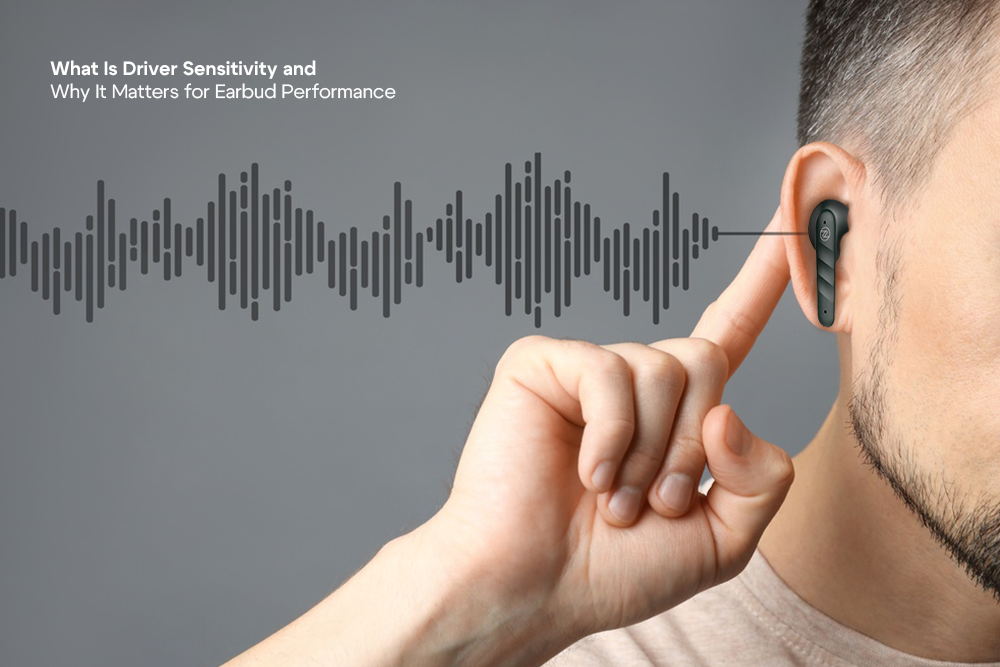





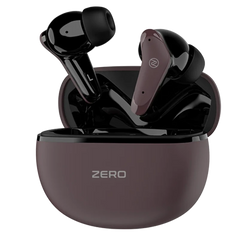
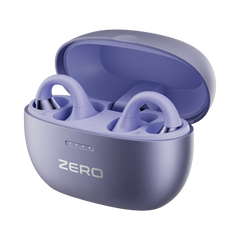

When browsing for earbuds, you might have noticed the spec sheet lists “Frequency Response: 20Hz–20kHz”. At first glance, it seems like just a number, but understanding it can make a huge difference in how your earbuds sound.
Frequency response tells you the range of sounds your earbuds can produce, from deep bass to high treble. By understanding it, you can choose earbuds that match your listening style, whether you love booming bass, crisp vocals, or detailed instrumentals.
What Is Frequency Response?
Frequency response is the range of sound frequencies an earbud can produce, measured in Hertz (Hz).
-
Low frequencies (20–250Hz): Bass and sub-bass (thumping beats, deep rumbles)
-
Mid frequencies (250Hz–4kHz): Vocals and most instruments (clarity and detail)
-
High frequencies (4kHz–20kHz): Treble (sparkle, cymbals, sibilance)
The typical human hearing range is 20Hz to 20kHz, so earbuds that cover this range theoretically reproduce the entire spectrum of sounds humans can hear.
Why 20Hz–20kHz Isn’t the Whole Story
Just seeing “20Hz–20kHz” doesn’t guarantee great sound. Why?
-
Amplitude Variation:
Some earbuds can reach 20Hz and 20kHz, but the volume at those extremes might be very low. -
Driver Quality:
A high-quality driver reproduces frequencies accurately without distortion. -
Acoustic Tuning:
The earbuds’ design can emphasize or suppress certain frequencies, affecting bass, mids, and treble.
For example, Sony WF-1000XM5 may list 20Hz–20kHz, but its tuning prioritizes rich bass and clear mids, making music sound fuller and more immersive.
How Frequency Response Affects Sound Quality
Low Frequencies (Bass)
-
Range: 20–250Hz
-
Responsible for kick drums, basslines, and sub-bass effects
-
Earbuds with strong bass response will feel thicker, warmer, and more powerful
Mid Frequencies (Mids)
-
Range: 250Hz–4kHz
-
Contains vocals and main instruments
-
Crucial for clarity — poorly tuned mids make music sound hollow
High Frequencies (Treble)
-
Range: 4kHz–20kHz
-
Responsible for cymbals, hi-hats, and sparkle in music
-
Overemphasis can cause harsh sound, underemphasis can make music dull
Frequency Response Charts
Some earbuds provide frequency response graphs, showing how evenly the earbuds reproduce low, mid, and high frequencies.
-
Flat Response: Accurate sound, ideal for audiophiles
-
V-Shaped Response: Boosted bass & treble, common in consumer earbuds for energetic sound
-
Balanced Response: Slightly enhanced bass, natural mids, smooth treble
Understanding this chart helps predict how music will sound without listening first.
Why Specs Alone Don’t Tell the Whole Story
Even if two earbuds have the same 20Hz–20kHz rating:
-
Ear tips, seal, and fit change perceived bass and treble
-
Driver type and tuning affect clarity and distortion
-
Digital processing can enhance or compress frequencies
For instance, Apple AirPods Pro (2nd generation) uses adaptive EQ to adjust mids and lows depending on your ear shape, making its 20Hz–20kHz range sound better than generic earbuds.
How to Use This Info When Buying Earbuds
-
Match frequency response to your preference:
-
Bass-heavy genres → look for stronger low-end emphasis
-
Vocals & podcasts → look for accurate mids
-
Classical or jazz → balanced highs and mids
-
-
Check professional reviews & charts:
Frequency response graphs give a better picture than raw numbers. -
Consider fit and seal:
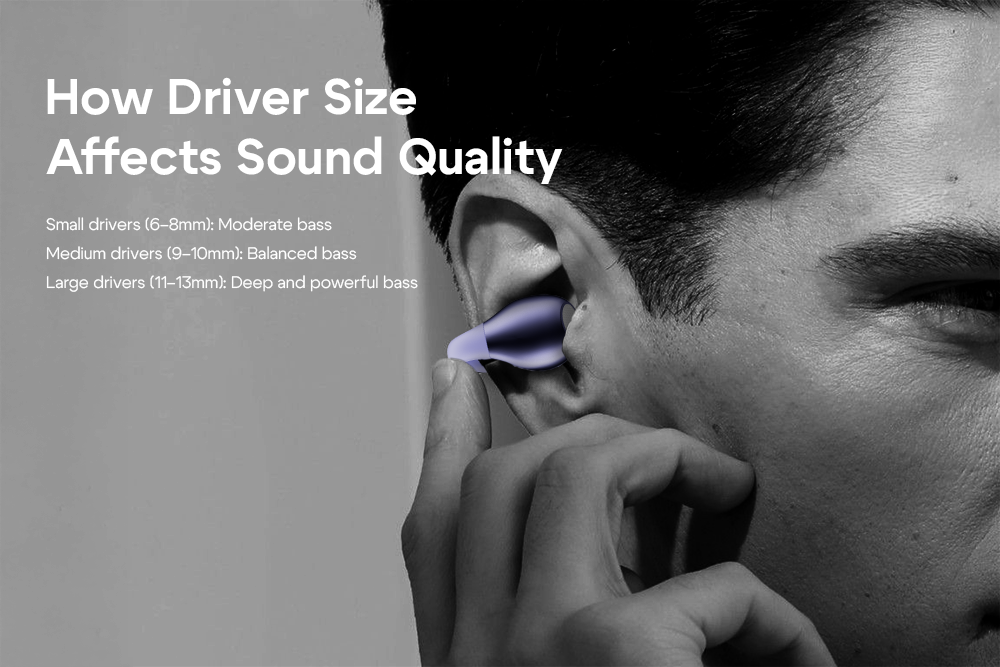
Proper ear tips improve low-frequency response even if the driver size is small.
Final Thoughts
Understanding frequency response is crucial for choosing earbuds that truly deliver the sound you want. While 20Hz–20kHz is the standard range, actual sound quality depends on:
-
Driver design
-
Acoustic tuning
-
Earbud fit and seal
-
Digital signal processing
By considering all these factors, you can choose earbuds that sound better, feel comfortable, and suit your music style rather than just relying on numbers.