





When comparing earbuds, you’ll often see specifications like driver size, frequency response, and battery life. Another important specification that many buyers overlook is driver sensitivity.
Driver sensitivity determines how loud your earbuds can get with a given amount of power. In simple terms, it tells you how efficiently earbuds convert electrical signals into sound.
Understanding sensitivity can help you choose earbuds that deliver better volume, clearer sound, and improved efficiency, especially when using smartphones, laptops, or portable devices.
What Is Driver Sensitivity?
Driver sensitivity measures how loud an earbud can play when powered with a specific electrical signal.
It is usually measured in decibels (dB) and expressed as:
dB SPL per milliwatt (dB/mW)
This means how many decibels of sound pressure level (SPL) the earbud produces when receiving 1 milliwatt of power.
Example:
-
90 dB sensitivity: requires more power to reach high volume
-
100 dB sensitivity: louder with less power
-
110 dB sensitivity: very efficient and loud
Many consumer earbuds fall between 95 dB and 110 dB sensitivity.
For example, premium earbuds like Apple AirPods Pro (2nd generation) and Sony WF-1000XM5 are designed with optimized sensitivity to provide clear sound without needing excessive power.
Why Sensitivity Matters for Earbud Performance
1. Maximum Loudness
Higher sensitivity means earbuds can produce higher volume levels with less power.
This is important when using:
-
Smartphones
-
Tablets
-
Portable music players
Devices with limited power output perform better with high-sensitivity earbuds.
2. Battery Efficiency
In true wireless earbuds, sensitivity also affects power consumption.
Higher sensitivity drivers:
-
Require less electrical power
-
Improve battery efficiency
-
Reduce strain on the amplifier
This can contribute to longer playback time.
3. Sound Clarity at Lower Volume
Efficient drivers can produce clear audio even at moderate volume levels.
Low-sensitivity earbuds may require higher volume levels, which can sometimes introduce distortion or reduce clarity.
4. Compatibility With Devices
Different devices output different power levels.
High-sensitivity earbuds work well with:
-
Smartphones
-
Laptops
-
Bluetooth transmitters
Lower-sensitivity headphones sometimes require dedicated amplifiers to reach optimal volume levels.
This is one reason why some studio headphones require external amps.
Sensitivity vs Impedance
Sensitivity is often discussed together with impedance.
Impedance measures how much electrical resistance the earbuds have and is measured in ohms (Ω).
Relationship:
-
Low impedance + high sensitivity → Easy to drive
-
High impedance + low sensitivity → Needs more power
Most true wireless earbuds are designed to be low impedance and high sensitivity, ensuring they work well with everyday devices.
Factors That Influence Driver Sensitivity
Driver sensitivity depends on several engineering factors:
1. Driver Material
Materials like:
-
Graphene
-
Titanium
-
Liquid crystal polymer
can improve efficiency and sound response.
2. Magnet Strength
Strong magnets help convert electrical signals into mechanical movement more efficiently, increasing sensitivity.
3. Acoustic Design
The internal structure of earbuds can enhance sound output without increasing power consumption.
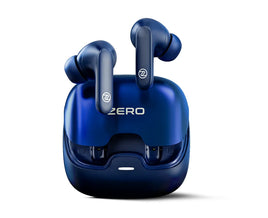
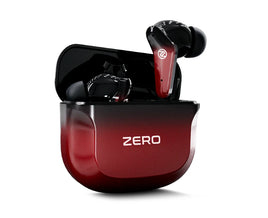
Brands like Zero Lifestyle and Apple carefully tune driver sensitivity to balance volume, clarity, and battery life.
Choosing the Right Sensitivity for Your Earbuds
When buying earbuds, look for a sensitivity level that suits your usage:
For everyday listening:
-
100–105 dB provides balanced performance.
For louder listening environments:
-
105–110 dB ensures sufficient volume.
For studio or high-end audio setups:
-
Sensitivity should be considered alongside impedance and amplifier power.
Final Thoughts
Driver sensitivity plays a crucial role in determining how efficiently earbuds convert electrical power into sound.
Higher sensitivity generally means:
-
Louder output with less power
-
Better compatibility with portable devices
-
Improved battery efficiency in wireless earbuds
However, sensitivity works best when combined with good driver design, balanced tuning, and efficient acoustic engineering.
By understanding this specification, you can choose earbuds that deliver clear, powerful audio without unnecessary power consumption.