


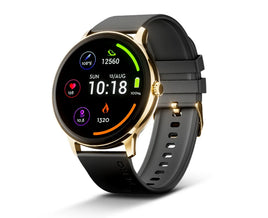
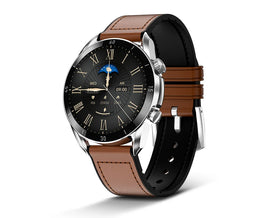
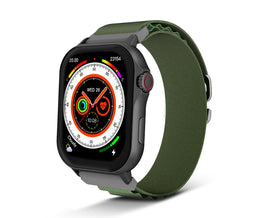
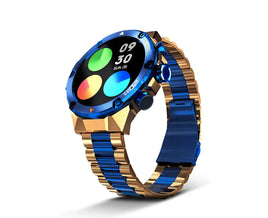


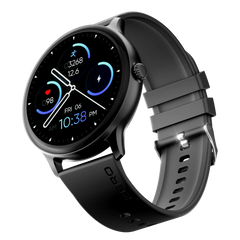

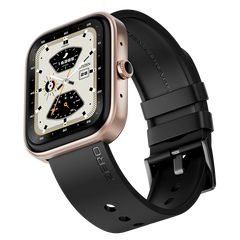

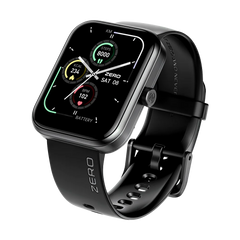
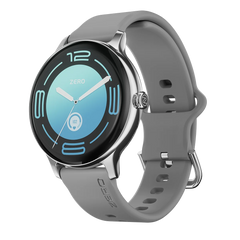
When shopping for the best smart watch, most people compare screens, health sensors, and fitness features. Very few stop to ask what kind of battery is powering the device on their wrist. Yet the battery is one of the biggest factors behind how long your watch lasts between charges, how slim it feels, and how safely it performs over years of daily use.
Nearly every smartwatch today runs on one of two battery technologies: lithium-ion (Li-ion) or lithium-polymer (LiPo). They sound similar, and they share the same basic chemistry, but the differences between them matter more in a smartwatch than in almost any other gadget. Let's break down how each one works, where each shines, and which type truly works best in a smartwatch.
What Is a Lithium-Ion Battery?
Lithium-ion batteries have been the workhorse of consumer electronics since the early 1990s. They store energy by moving lithium ions between two electrodes through a liquid electrolyte, all packed inside a rigid metal casing, usually cylindrical or rectangular.
Key strengths of lithium-ion:
- High energy density. Li-ion cells pack a lot of power into a given weight, which is why they dominate laptops, power tools, and electric vehicles.
- Lower manufacturing cost. Decades of mass production have made Li-ion cells cheap and widely available.
- Long cycle life. A quality Li-ion cell can handle hundreds of full charge cycles before its capacity noticeably drops.
Key weaknesses:
- Rigid shape. The hard casing means the battery must be a fixed block, limiting how a device can be designed around it.
- Liquid electrolyte risks. If punctured or overheated, the liquid inside can leak or, in rare cases, catch fire.
- Heavier casing. The protective metal shell adds weight that matters a lot in a device worn on your wrist.
What Is a Lithium-Polymer Battery?
Lithium-polymer batteries use the same fundamental lithium chemistry, but they replace the liquid electrolyte with a gel-like polymer and swap the rigid metal shell for a flexible, lightweight pouch.
Key strengths of lithium-polymer:
- Flexible form factors. LiPo cells can be made thin, curved, or oddly shaped to fit the tight, rounded interior of a watch case.
- Lighter weight. Without a heavy metal shell, LiPo batteries shave precious grams off a wearable.
- Better safety profile. The gel electrolyte is far less prone to leaking, and pouch cells tend to swell rather than rupture when they fail.
- Slim profiles. LiPo cells can be manufactured just a few millimeters thick, perfect for sleek watch designs.
Key weaknesses:
- Higher cost. Custom-shaped pouch cells are more expensive to produce.
- Slightly lower energy density. Gram for gram, LiPo cells traditionally store a bit less energy than the best Li-ion cells, though the gap has narrowed.
- Shorter lifespan in some cases. Depending on quality, LiPo cells may degrade faster with heavy charge cycling.
Head-to-Head: How They Compare in a Smartwatch
| Factor | Lithium-Ion | Lithium-Polymer |
|---|---|---|
| Energy density | Excellent | Very good |
| Weight | Heavier | Lighter |
| Shape flexibility | Rigid blocks only | Thin, curved, custom shapes |
| Safety | Good, with liquid risk | Better, gel electrolyte |
| Cost | Lower | Higher |
| Cycle life | Longer on average | Slightly shorter |
On paper, lithium-ion wins on cost and raw energy storage. But a smartwatch is not a laptop. Space inside a watch case is measured in millimeters, comfort depends on every gram, and the battery sits directly against your skin all day. Those realities shift the balance dramatically.
Why Most Smartwatches Choose Lithium-Polymer
Walk through the spec sheets of today's leading wearables and you will find lithium-polymer cells in the vast majority of them, including flagship models from Apple, Samsung, and Garmin. There are four big reasons why.
1. Design Freedom
Watch cases are small, rounded, and crowded with sensors, haptic motors, and antennas. A LiPo pouch can be molded to slip into whatever space is left over. A rigid Li-ion block forces designers to build the watch around the battery instead of the other way around.
2. Comfort on the Wrist
Nobody wants a heavy watch. LiPo's lightweight construction helps keep modern smartwatches in the 30 to 50 gram range, light enough to wear during sleep tracking and workouts without noticing.
3. Safety Against the Skin
A smartwatch experiences bumps, drops, sweat, temperature swings, and constant wrist movement. The gel electrolyte in a LiPo cell handles this abuse more gracefully, and its failure mode (gradual swelling) gives users a visible warning rather than a sudden hazard.
4. Slimmer Watches, Bigger Screens
Because LiPo cells can be made ultra-thin, manufacturers can dedicate more internal volume to larger displays and additional health sensors, the features that actually sell watches.
When Lithium-Ion Still Makes Sense
Lithium-ion has not disappeared from the wearable world entirely. Budget smartwatches and some rugged outdoor models still use small cylindrical or prismatic Li-ion cells because they are cheaper and can deliver strong capacity in chunkier cases where slimness is not a priority. If a manufacturer's goal is maximum battery life at the lowest price, and the watch can afford to be thick, Li-ion remains a sensible choice.
What This Means When You Buy the Best Smart Watch
You will rarely see battery chemistry listed as a headline feature, but you can use this knowledge to shop smarter:
- Check the weight and thickness. Ultra-slim, lightweight watches almost certainly use LiPo, which generally signals a more refined design.
- Look at rated battery life versus size. A small watch with multi-day battery life reflects an efficient LiPo cell paired with good power management.
- Consider longevity. Whichever chemistry your watch uses, avoid leaving it at 0% or constantly charging to 100% in hot environments. Both habits accelerate degradation in Li-ion and LiPo cells alike.
- Watch for swelling. If your watch back ever bulges or the screen lifts, stop using it. That is a failing battery, and it should be replaced by a professional.
The Verdict
For smartwatches specifically, lithium-polymer is the clear winner. Its slim, flexible, lightweight design and stronger safety profile are exactly what a wrist-worn device demands, which is why nearly every premium wearable on the market relies on it. Lithium-ion still earns its place in budget and rugged models where cost and raw capacity matter more than sleekness.
So the next time you are hunting for the best smart watch, remember that the most important component might be the one you never see. A well-engineered lithium-polymer battery is quietly working behind that bright display, keeping your notifications, workouts, and sleep data running from morning to night.