


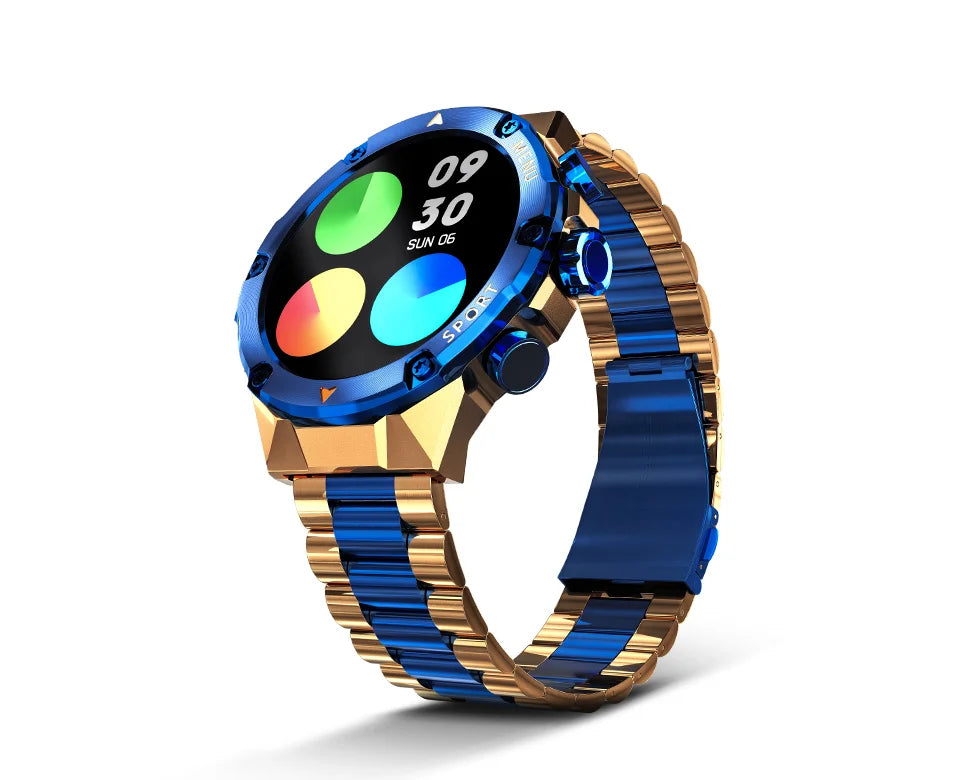









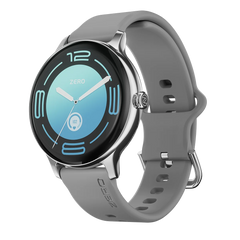

Battery life has always been one of the biggest challenges for smartwatches. While many modern watches offer advanced health tracking, GPS, and bright displays, these features can drain the battery quickly. To address this issue, some manufacturers have introduced solar charging technology in smartwatches.
But the question remains: Is solar charging a practical feature, or just a marketing gimmick?
In this article, we’ll explore how solar charging works in smartwatches, its real-world benefits, and whether it truly makes a difference in everyday usage.
What Is Solar Charging in Smartwatches?
Solar charging uses small photovoltaic cells integrated into the smartwatch display or bezel to convert sunlight into electrical energy. This energy is then used to supplement the battery power.
Instead of fully replacing traditional charging, solar panels typically extend battery life by adding extra energy throughout the day.
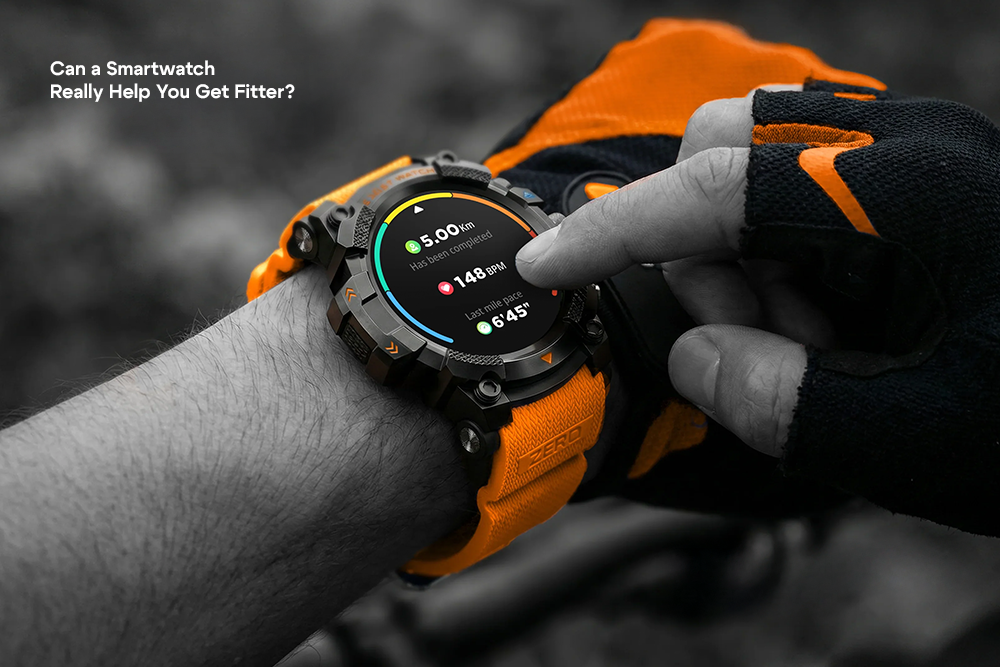
Some modern outdoor smartwatches now include integrated solar charging technology, where thin photovoltaic panels are embedded around the display or within the watch face. These panels capture sunlight and convert it into electrical energy, helping extend battery life during outdoor use.
How Solar Charging Technology Works
Smartwatch solar systems usually consist of three components:
1. Solar Cells
Thin solar panels capture light energy from the sun or strong ambient lighting.
2. Power Management System
The energy generated is regulated and safely transferred to the smartwatch battery.
3. Rechargeable Battery
The smartwatch stores the energy in its lithium battery, helping reduce the need for frequent charging.
Unlike traditional solar gadgets, smartwatch panels are extremely small, which limits the amount of energy they can generate.
Advantages of Solar Charging in Smartwatches
1. Extended Battery Life
Solar charging can add extra hours or even days of battery life, especially during outdoor use.
For example, some solar-enabled watches can gain several additional hours of GPS tracking when exposed to sunlight.
2. Ideal for Outdoor Activities
Solar charging is particularly useful for:
-
Hiking
-
Camping
-
Mountaineering
-
Long-distance running
Outdoor athletes who spend hours in sunlight benefit the most.
3. Reduced Charging Frequency
Instead of charging every day, users may only need to charge their watch once every few days or even weeks, depending on usage.
4. Eco-Friendly Technology
Solar charging uses renewable energy, reducing reliance on electricity for charging.
Limitations of Solar Charging
Despite its advantages, solar charging also has several limitations.
1. Limited Power Generation
Because smartwatch solar panels are very small, they cannot fully charge the battery.
They mainly act as a battery extender rather than a full power source.
2. Requires Strong Sunlight
Solar efficiency depends heavily on:
-
Direct sunlight
-
Outdoor exposure
-
Duration of light exposure
Indoor lighting typically produces very little solar charging power.
3. Design Constraints
Adding solar panels can impact:
-
Display brightness
-
Screen design
-
Manufacturing complexity
This is why solar charging is mostly found in rugged outdoor watches rather than fashion-focused smartwatches.
Real-World Performance
In real usage, solar charging typically provides:
-
5–20% extra battery life depending on sunlight exposure
-
Longer endurance during outdoor activities
-
Reduced need for frequent charging
For casual users who spend most of their time indoors, the benefits may be minimal.
When Solar Charging Makes Sense
Solar charging is most useful if you:
-
Spend a lot of time outdoors
-
Use GPS tracking frequently
-
Go on long trips where charging isn’t available
-
Prefer extended battery performance
Outdoor-focused brands like Garmin have successfully implemented solar charging in sports and adventure watches.
When It Might Be a Gimmick
For everyday smartwatch users who mostly stay indoors, solar charging may offer very limited benefits.
If your smartwatch is primarily used for:
-
Notifications
-
Casual fitness tracking
-
Office work
The solar feature may not significantly change how often you charge the device.
The Future of Solar Smartwatches
As solar technology improves, we may see:
-
More efficient photovoltaic cells
-
Solar charging integrated directly into displays
-
Better power management systems
These advancements could eventually make solar charging a more practical energy solution for wearable devices.
Final Thoughts
Solar charging in smartwatches is not entirely a gimmick, but it is also not a complete replacement for traditional charging.
Instead, it works best as a battery life booster, particularly for outdoor enthusiasts and athletes who spend long periods in sunlight.
For everyday users, the impact may be limited, but as technology advances, solar-powered wearables could become more efficient and widely adopted.